
By The Connecting Bridge | Development & Neuro Rehab Clinic | Amritsar & Patna
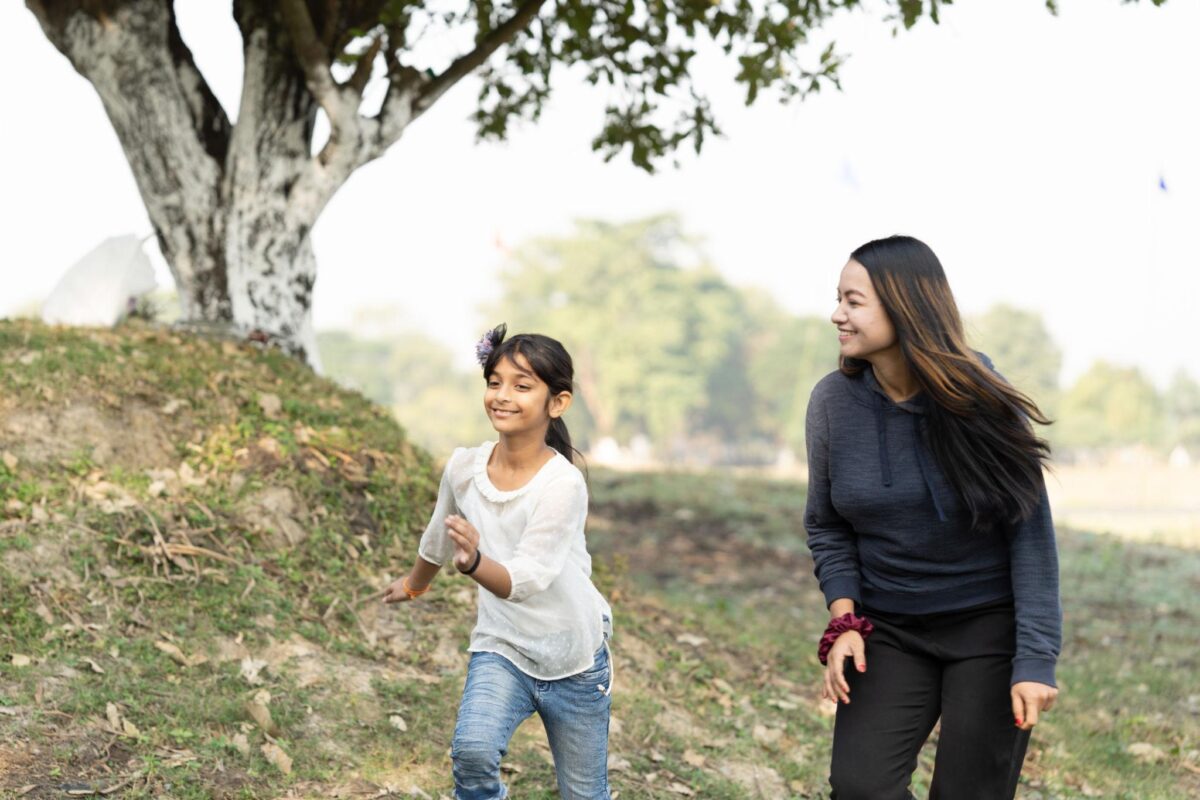
Have you ever watched your child running around the playground and noticed that they seem to move a little differently from other children?
Perhaps they trip more often, struggle to change direction, appear unsteady when running, or prefer to watch other children play rather than join in.
As a parent, it’s natural to wonder whether this is simply part of growing up or whether your child might need some extra support.
The reassuring news is that children develop movement skills at different rates. A different running style does not automatically mean something is wrong. However, when movement difficulties happen frequently or begin to affect a child’s confidence, play, or everyday activities, it may be worth understanding what is happening.
Let’s explore why running can be challenging for some children, what parents can look out for, and how pediatric physiotherapy may help.
Why Is Running More Complicated Than It Looks?
To adults, running may seem effortless. For children, however, it involves several skills working together.
A child needs to coordinate their arms and legs, maintain balance, control their posture, adjust their speed, and respond to changes in the environment. They also need enough strength and body awareness to move safely.
These abilities develop gradually through everyday experiences such as crawling, walking, climbing, jumping, and playing.
Some children become confident runners early, while others need more time and practice to develop smooth, coordinated movements.
6 Signs Your Child May Be Finding Running Difficult
Every child has their own movement style. The signs below are not a diagnosis, but they may help you decide whether your child’s movement deserves a closer look.
- Your child frequently trips or falls
Occasional falls are a normal part of childhood, especially during active play. However, repeated falls while running, particularly on familiar and relatively even surfaces, may indicate that balance, coordination, vision, or movement control needs further assessment.
Notice whether the falls happen more often when your child speeds up, turns, or plays in busy environments.
- Changing direction seems difficult
Running is not just about moving forward. Children also need to slow down, turn, avoid obstacles, and change direction during games.
If your child finds these movements particularly challenging, they may benefit from support with balance, coordination, and motor planning.
- Your child appears unsteady while running
Some children may look less stable when moving quickly. They might struggle to control their body, stop suddenly, or maintain balance during active games.
Rather than comparing your child with every other child, look at whether their movement difficulties are persistent and whether they interfere with activities they want to enjoy.
- Coordinating arm and leg movements seems challenging
Running requires different parts of the body to work together in a coordinated pattern.
Some children may have difficulty coordinating their arms and legs or maintaining a comfortable rhythm. This can make running feel more tiring or less natural for them.
- Your child avoids playground games
Have you noticed your child choosing quieter activities while other children run, chase, or play active games?
There may be many reasons for this. Your child might prefer other activities, feel less confident about movement, or find physical games demanding.
A gentle conversation can help you understand their experience without making them feel that they are doing something wrong.
- Physical activities seem unusually tiring or difficult
Some children may struggle to keep up with activities that involve repeated running, jumping, or changing direction.
If your child regularly becomes exhausted during ordinary play, seems to have difficulty with several movement skills, or has a noticeable change in physical ability, it is worth discussing this with a healthcare professional.
What Can Cause Differences in Running Patterns?
There is no single explanation for every child who runs differently.
Possible factors include:
- Developing coordination: Some children need more time and practice to coordinate complex movements.
- Balance and postural control: Maintaining stability becomes especially important when moving quickly.
- Muscle strength and endurance: Strength helps children control their bodies during running, stopping, and turning.
- Motor planning: Some children find it harder to plan and organize a sequence of movements.
- Vision or other health factors: Difficulties with vision, pain, or certain neurological or developmental conditions can affect movement.
A child’s running pattern alone cannot identify the underlying cause. A qualified professional can consider the child’s overall development, health, movement history, and everyday functioning.
How Can Pediatric Physiotherapy Help?
Pediatric physiotherapy focuses on children’s movement, physical function, and participation in everyday activities.
When a child experiences persistent running difficulties, a pediatric physiotherapist may assess balance, coordination, strength, posture, mobility, and age-appropriate gross motor skills. The assessment is tailored to the individual child.
Depending on the findings, therapy goals may include the following.
- Improving balance and body control
Activities can help children practise maintaining stability while standing, moving, stopping, and changing direction.
- Developing coordination
Play-based movement activities may help children practise coordinating different body movements and responding to changing situations.
- Building strength and endurance
Individualized activities may support the muscle strength and stamina needed for everyday movement and active play.
- Practising functional movement skills
A physiotherapist may use suitable, enjoyable activities to help a child practise running-related movements, turning, stepping over obstacles, or participating in playground games.
- Building confidence through achievable goals
Progress is not only about running faster. It may mean feeling safer while moving, participating more comfortably in play, or becoming more confident when trying a new activity.
Every child needs a plan based on their own abilities and goals. Physiotherapy does not guarantee a particular outcome, but an individualized approach can help identify useful ways to support movement and participation.
What Can Parents Do at Home?
You don’t need to turn your home into a training ground. Everyday play can provide opportunities to explore movement in a relaxed, supportive way.
- Make room for safe, active play. Choose a clear, age-appropriate space where your child can move without unnecessary obstacles.
- Encourage activities your child enjoys. Walking, dancing, gentle ball games, and playground activities may offer opportunities to practise different movement skills.
- Allow time and avoid pressure. Give your child time to try activities at their own pace. Avoid comparing their performance with siblings or friends.
- Notice patterns rather than isolated incidents. If you are concerned, observe when difficulties happen, such as during turning, uneven surfaces, or longer periods of activity. Share these observations with a healthcare professional.
- Celebrate effort, not just performance. A child who tries something new, joins a game, or becomes more comfortable with movement deserves encouragement.
If an activity causes pain, repeated falls, significant distress, or unusual fatigue, stop and seek appropriate professional advice rather than pushing through.
When Should You Seek Professional Advice?
Consider discussing your concerns with your child’s pediatrician or another qualified healthcare professional if you notice persistent difficulties with running, frequent falls, ongoing balance problems, or challenges participating in everyday physical activities.
Seek prompt medical assessment if your child loses previously acquired movement skills or develops new or worsening weakness or difficulty walking. Sudden weakness or a sudden inability to walk warrants emergency medical attention.
You do not need to wait until a difficulty becomes severe before asking questions. An assessment can help you understand whether your child’s movement falls within their individual developmental variation or whether additional support may be useful.
Supporting Your Child at The Connecting Bridge
At The Connecting Bridge Development & Neuro Rehab Clinic, we recognize that every child has their own strengths, challenges, and developmental journey.
Our pediatric rehabilitation approach focuses on understanding each child’s individual needs and identifying meaningful functional goals. Where appropriate, pediatric physiotherapy may support movement, balance, coordination, and participation in everyday activities.
We encourage parents to share their observations, ask questions, and work with qualified professionals to understand their child’s needs.
Our goal is to support children in moving, playing, participating, and building confidence—one meaningful step at a time.
📍 The Connecting Bridge — Amritsar & Patna
If you have concerns about your child’s running pattern or movement development, contact our team to learn about appropriate assessment and support options.
Frequently Asked Questions
Is it normal for a child to run differently from other children?
Yes, children’s movement skills develop at different rates, and running styles can vary. However, persistent difficulties, frequent falls, pain, or problems participating in everyday activities deserve professional attention.
At what age should a child run smoothly?
Running develops during early childhood, but the timing and quality of movement vary. There is no single running pattern that every child must achieve at exactly the same age. A healthcare professional can assess concerns in the context of the child’s age and overall development.
Can pediatric physiotherapy improve running skills?
Pediatric physiotherapy may help when an assessment identifies movement difficulties that can benefit from therapy. Goals may include balance, coordination, strength, and functional movement. Progress depends on the child’s individual needs and circumstances.
Should I make my child practise running every day?
Not necessarily. Children benefit from enjoyable, age-appropriate physical activity, but structured practice should suit their abilities. If running causes pain, repeated falls, or significant difficulty, seek professional advice before introducing targeted exercises.
Does frequent falling always mean a developmental problem?
No. Children sometimes fall during normal play. The frequency, circumstances, severity, and presence of other concerns matter. Persistent or unexplained falls should be discussed with a healthcare professional.
Final Thoughts
Watching your child struggle with an activity that other children seem to manage easily can be worrying. But your child does not need to match everyone else’s pace to make progress.
The most helpful first step is to understand what your child is experiencing, recognize persistent difficulties, and seek guidance when needed.
With patient encouragement, appropriate assessment, and individualized support, children can be helped to participate in movement and play in ways that suit their needs.
Every child moves differently. Every child deserves understanding. And every meaningful step forward matters.
The information in this article is for general educational purposes and is not a substitute for an individual medical assessment or treatment plan.